Sara without an H > this collection: Peanu(t)s > Part 1 > Part 2 > Part 3 > Part 4 > Part 5 > Part 6 > Part 7 > Part 8 >> next collection: Pennies From Heaven
Peanu(t)s: a mini-epic poem in eight parts
Peanu(t)s is a rap-inspired mini-epic poem in eight parts; rap-inspired in that it employs word play and cultural references to illustrate unpleasant truths, as well as a self-aggrandising tone and the relentless goading of one’s opponents, all of which are characteristic of gangsta rap.
Come and look into my eyes, Charlie Brown…
And how d’you really see me Charlie, how?
And who d’you get to do it Charlie, who?
But why’s it so important Charlie, why?
So, when exactly was this Charlie, when?
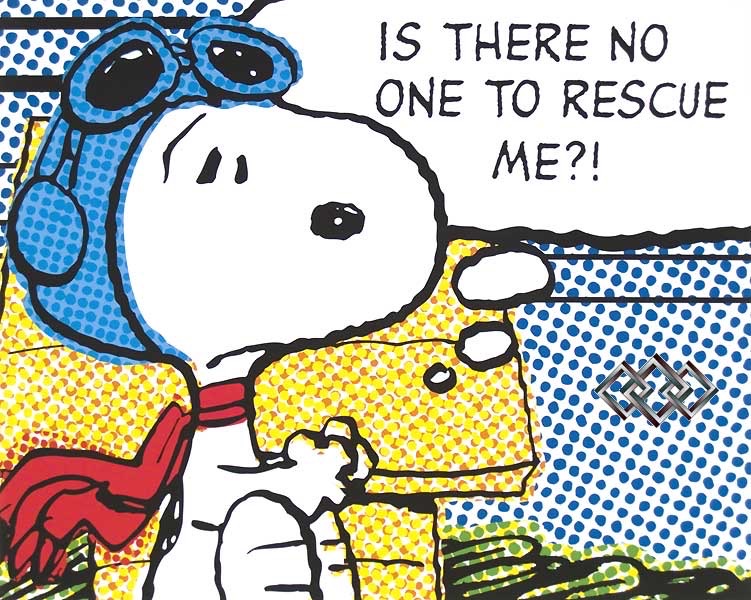
But shit Charlie, who is pimping whom?
But what on earth possessed you Charlie, what?
And it’s you that I’m addressing Charlie, you!
Background to the poem
Peanu(t)s is a work of fiction about the superhero Pussy Power and her Giant Knickers along with characters inspired by the comic strip Peanuts by Charles M. Schulz; any similarity to any actual person, place or event is coincidental.
I’ve used a ton of references to the work of other artists of stage, screen, literature and song. The main ones are included below each section as Big Ups.
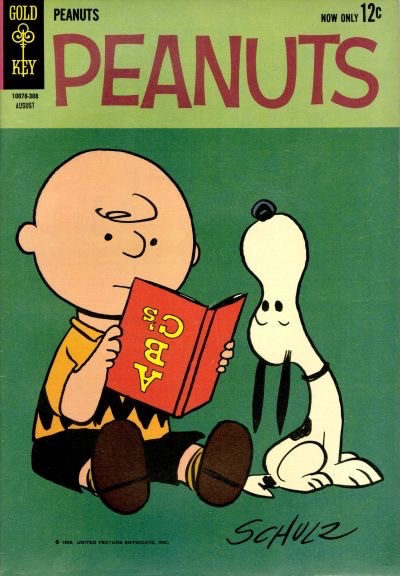
🥜 Peanuts is a syndicated daily and Sunday American comic strip written and illustrated by Charles M. Schulz, which ran from October 2, 1950, to February 13, 2000, continuing in reruns afterward. The strip is the most popular and influential in the history of comic strips, with 17,897 strips published in all, making it “arguably the longest story ever told by one human being”. At its peak, Peanuts ran in over 2,600 newspapers, with a readership of 355 million in 75 countries, and was translated into 21 languages.
Schulz’s Characters
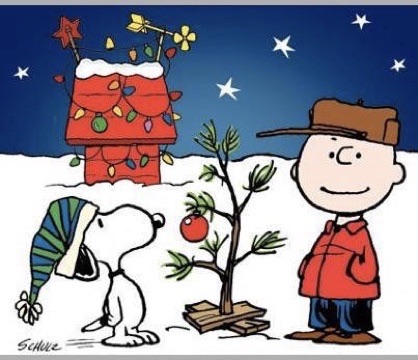
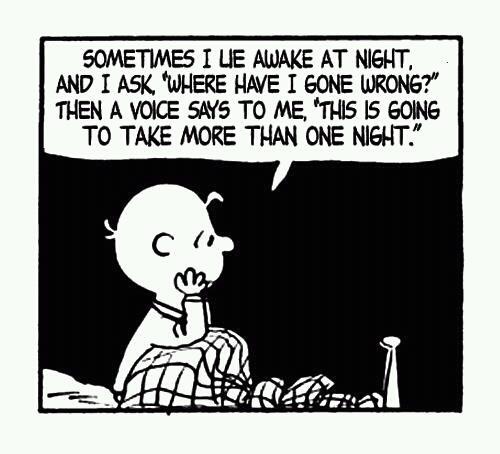
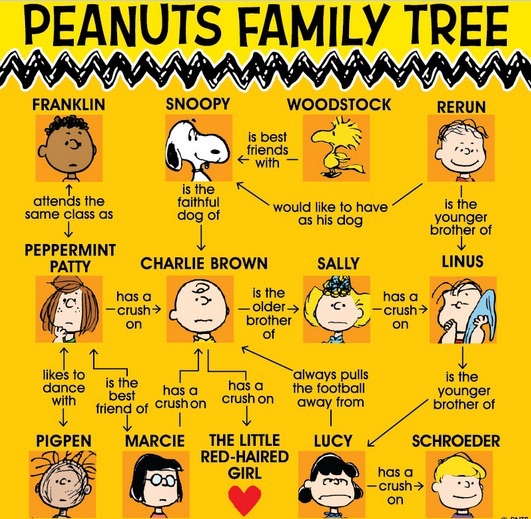
Charlie Brown is the central protagonist. Like the majority of the other human characters in the strip, he often switches from typical child behavior to adult speech. The character’s creator, Charles M. Schulz, has said of the character that “[He] must be the one who suffers, because he is a caricature of the average person. Most of us are much more acquainted with losing than winning.” The character, as Schulz frequently said and addressed, is inspired by some of his painful experiences in life.
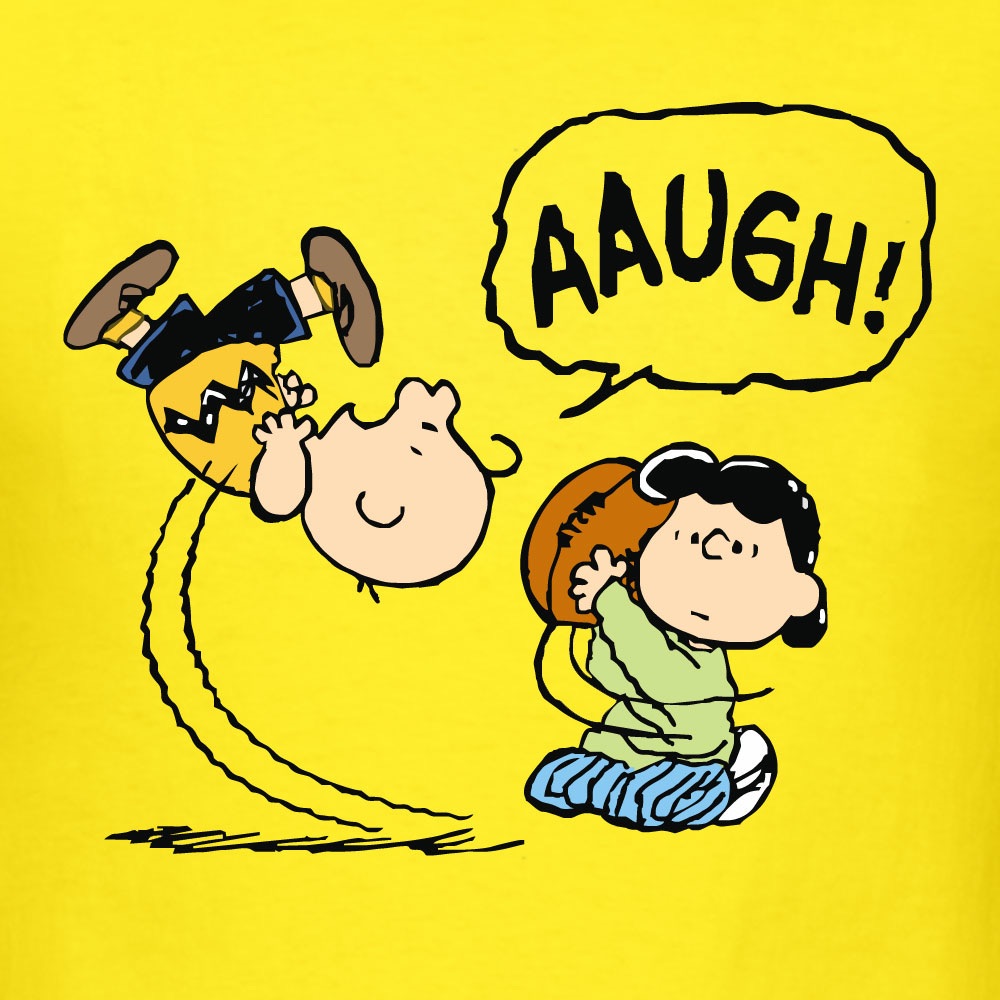
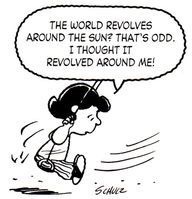
Lucille ” Lucy” van Pelt is the main bully and the older sister of Linus and Rerun. Lucy is a crabby eight-year-old girl and often bullies the other characters in the strip, particularly Linus and Charlie Brown. Aside from being a bully, Lucy is also very stupid and dimwitted: on one strip she said “I hate it when I’m not around!”, on another, she said “If you leave them [the cows] in the pasture overnight, they’ll get pasteurized!” and on yet another, she complained about receiving a pumpkin that wasn’t blue.
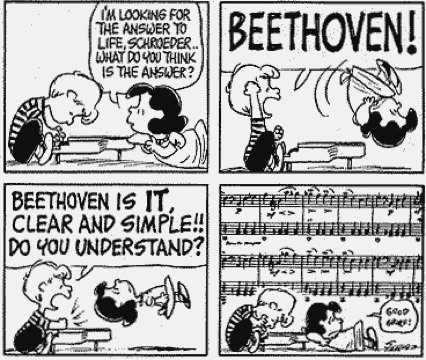
Schroeder is distinguished by his precocious skill at playing the toy piano, as well as by his love of classical music and the composer Ludwig van Beethoven in particular. Schroeder is also the catcher on Charlie Brown’s baseball team, though he is always seen walking back to the mound with the baseball, never throwing it—admitting in one strip he didn’t want the other team to discover his lack of ability. He is also the object of the unrequited infatuation of Lucy van Pelt, who constantly leans on Schroeder’s piano, much to Schroeder’s annoyance.
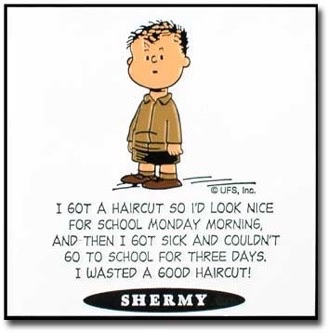
Shermy was often portrayed as Charlie Brown’s superior at the things that mattered to Charlie Brown, especially athletics. When Peanuts made its debut on October 2, 1950, Shermy had the first line of dialogue in the series. As Peanuts matured, however, Shermy became an extraneous character who was used less and less frequently, until his final appearance in 1969.
Sara without an H > this collection: Peanu(t)s > Part 1 > Part 2 > Part 3 > Part 4 > Part 5 > Part 6 > Part 7 > Part 8 >> next collection: Pennies From Heaven
 Sara Nicola Ruth